Happy Diner Story™: Cooking
- 4.4
- Rating
- 10.00M
- Installs
- Free
- Price
 Analysis by App-foxy
Happy Diner Story™: Cooking is a simulation game built around the simple pleasure of running a restaurant and preparing food. I found its strongest appeal in the way it turns everyday cooking and diner management into a steady sequence of small decisions. It is easy to understand, visually relaxed, and suitable for casual sessions, but it still gives me enough to do that it feels more involved than a basic time-killing game.
The game is free to download, with optional purchases ranging from $0.99 to $99.99 per item. It is published by Play Fortune Limited and is rated for Everyone, so its presentation is broadly approachable. The store describes it as an ASMR restaurant and cooking experience, and that focus matters: the game is less about complicated strategy and more about the satisfying rhythm of serving customers, preparing dishes, and improving the feeling of a busy diner.
Its popularity also makes sense. It has reached over 10 million installs, with an average rating of 4.5 from around 75 thousand ratings and roughly 1.3 thousand written reviews. Those figures suggest that the relaxed restaurant format is connecting with a large audience, although popularity alone does not make it ideal for every player. The real question is whether you enjoy gradual management and repeated cooking routines.
You May Also Like

 Blood Strike: 2.5 Anniversary
Blood Strike’s Loadouts Turn Every Drop Into a Tactical Gamble
A close look at Blood Strike’s custom loadouts: how fast access to signature weapons reshapes its battle royale rhythm, rewards preparation, and narrows the gap between fights.

 Pandora - Music & Podcasts
Pandora’s Music Is Easy to Start, but Harder to Recover
Pandora’s strength is its low-effort path from a seed to a station. Its weak spot is how much confidence it asks you to place in connection, setup, and quiet recovery.

 8 Ball Pool
 Is Built on Rivalries, Rematches, and Routine
A close look at the rivalries, rematches, shared routines, and unanswered safety questions that turn a quick pool match into a persistent mobile community.

 Samsung Music
’s Quiet Strength Is Playing What You Already Own
Its reach comes less from spectacle than from dependable access to a personal library. That simplicity is both the app’s strongest retention engine and its ceiling.

 AccuWeather: Weather Radar
AccuWeather Review: A Quick, Clear Forecast for Everyday Decisions
For everyday plans, the best forecast is the one you can understand quickly. AccuWeather makes rain timing, radar, and local conditions easy to act on, with a few trade-offs.

 Hill Climb Racing
Why Hill Climb Racing Still Turns Crashes Into One More Run
A tiny car, a bumpy hill and one more upgrade: Hill Climb Racing keeps resurfacing because its simple chaos makes every near-miss feel personal.
More From Our News Desk



The restaurant routine is the real attraction
I find the diner routine most enjoyable when I treat it as a small, focused task rather than a race to clear everything at once. That makes it easier to notice how the game’s goals and gradual progress shape each session, and why its relaxed approach suits some players better than others.
Why the cooking loop works
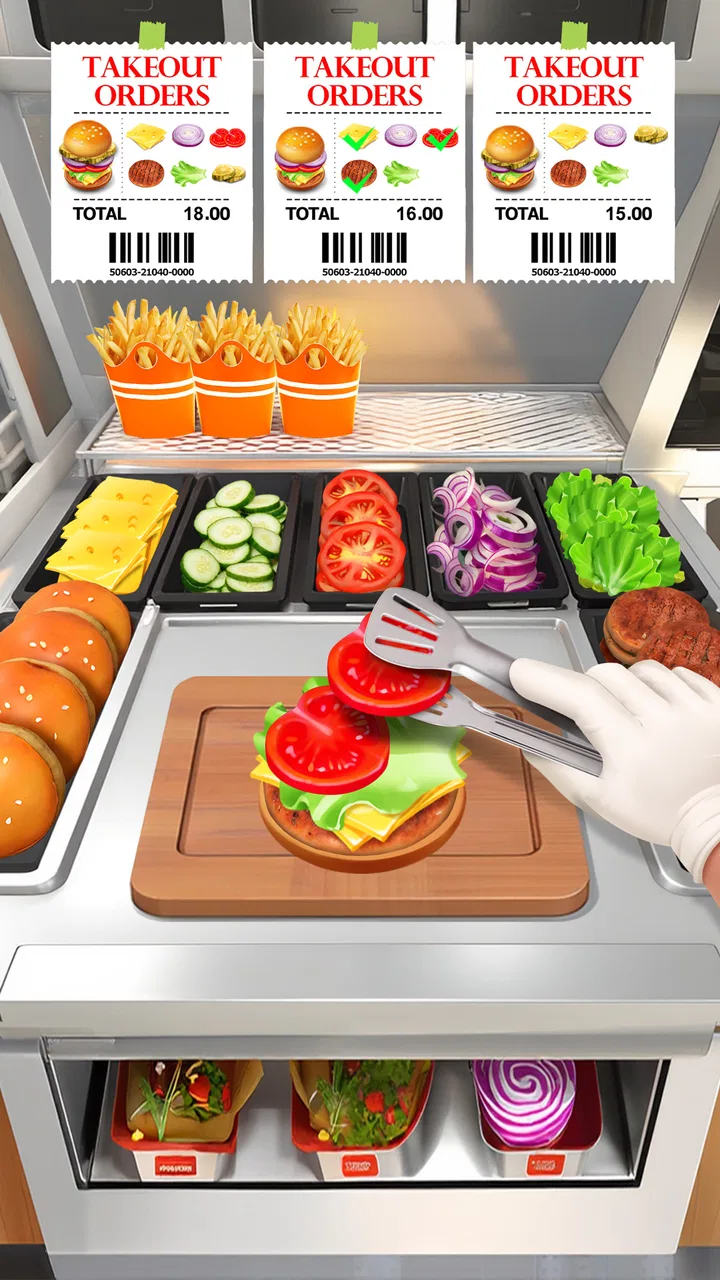
The central capability here is the combination of restaurant management and food preparation. Rather than presenting cooking as a single isolated activity, the game places it inside a diner routine. I am not simply making a dish and moving on; I am thinking about the flow of the restaurant, the order in which tasks happen, and how a small improvement can make the next round feel smoother.
That structure gives the game a useful sense of purpose. A cooking-only game can become repetitive because every action ends at the plate. In Happy Diner Story, the plate is part of a larger cycle. Customers create pressure, preparation creates work, and the restaurant setting makes each completed order feel like progress. The result is a gentle management experience rather than a pure recipe simulator.
I also like that the premise is immediately readable. You do not need to learn a complicated economic system before understanding what you are supposed to do. The visual language points toward food, diners, and service, while the short interactions make the game friendly for players who prefer learning by doing. That makes it a particularly comfortable choice for someone who wants a simulation game without the heavy menus found in larger management titles.
ASMR-style presentation without demanding realism
The ASMR angle changes the mood more than the rules. The cooking theme is presented as something pleasant and tactile, with the appeal coming from watching a restaurant routine unfold. I would not approach this as a realistic culinary education tool. It does not replace learning recipes, kitchen technique, or food safety. Its value is emotional: it makes ordinary service tasks feel calming and rewarding.
That distinction is important when choosing the game. If you want exact measurements, authentic cooking methods, or a detailed simulation of restaurant finances, this is not the right expectation. If you want a softer fantasy of preparing food and keeping a diner moving, the presentation is much better aligned with the experience.
For me, the most effective moments are the short stretches when several simple actions connect naturally. Preparing food, responding to demand, and seeing the diner continue operating creates a small sense of momentum. None of those actions needs to be complicated on its own. The satisfaction comes from the sequence.
How I approach a typical session
I treat each session as a compact work shift rather than a long campaign. I open the game when I have a few spare minutes, focus on the immediate restaurant tasks, and stop when the routine begins to feel repetitive. That approach suits the design because the game is easy to return to without requiring me to remember a complicated story or a large set of controls.
A useful habit is to avoid rushing through every action simply because the next customer is visible. I pay attention to what the diner is asking for and try to keep my actions organized. When I react randomly, the restaurant feels more hectic. When I establish a simple order of operations, the same tasks become more manageable. This is one of the game’s less obvious strengths: it rewards attention and rhythm even though it remains accessible.
I also recommend judging progress by how comfortable the restaurant routine feels, not only by how quickly a single order is completed. The game is at its best when I settle into a repeatable pattern. That makes it more relaxing than games that constantly interrupt the player with complex objectives or demanding combat.
A realistic everyday use case
Imagine having ten minutes before an appointment or while waiting for a friend. A competitive multiplayer game may be difficult to start because you might need to finish a match, while a large strategy game can take too much concentration. Happy Diner Story fits that gap better. I can open it, manage a short restaurant session, and put it down without feeling that I have abandoned a team or ruined a long-term plan.
It also works well after a tiring day when I want a game with a clear goal but not an aggressive atmosphere. The diner setting gives me something to focus on, while the cooking routine keeps the experience active enough to avoid feeling like a passive screen saver. For parents and younger players, the Everyone rating makes the tone broadly approachable, although individual preferences about in-app purchases should still be considered.
Another practical use is as a gentle introduction to simulation games. Someone who finds city builders or business-management games intimidating can understand a restaurant more quickly because the theme is familiar. Serving food is an easy starting point for learning how repeated tasks, customer needs, and gradual improvement can work together.
Where it differs from other simulation games
Compared with a serious restaurant-management game, this title is lighter and more immediate. Traditional management alternatives often emphasize staffing, budgets, layouts, supply chains, or long-term planning. Happy Diner Story puts more attention on the enjoyable surface of running a diner: cooking, serving, and maintaining a pleasant flow.
Compared with a pure idle game, it gives me more of a feeling of participation. I am not only watching numbers rise in the background. The cooking and service theme makes the progress feel connected to actions I have taken. However, players who want deep control over every part of a business may find the experience too streamlined.
It also sits apart from competitive cooking games. There is no need to treat every session like a high-pressure contest. That makes it easier to recommend to people who enjoy food games but dislike frantic timers or stressful competition. The trade-off is that the calmer pace may not satisfy someone looking for constant challenge.
Small decisions make the routine smoother
One of my most useful discoveries was that the game becomes more enjoyable when I think in terms of workflow instead of isolated orders. I try to group similar actions mentally and avoid switching attention without a reason. This does not transform the game into a complex strategy title, but it makes the diner feel more orderly and gives each session a clearer shape.
A second tip is to use short play windows deliberately. Because the core routine is easy to resume, I do not need to force a long session. Playing until the restaurant feels satisfying, then taking a break, helps preserve the relaxing quality. If I continue only to chase the next small reward, the repetition becomes more noticeable.
A third trade-off is worth understanding: convenience can reduce depth. The accessible design lets me begin quickly, but it also means that players searching for a highly detailed restaurant economy may run out of meaningful decisions sooner than expected. I see this as a choice rather than a flaw. The game favors comfort, clarity, and a pleasant loop over exhaustive control.
Free entry and the role of optional purchases
Being free makes the game easy to try, especially if you are unsure whether restaurant simulations suit you. I can experience the basic appeal before deciding whether I want to spend anything. That is a better starting point than committing to a paid game whose cooking style may not match my taste.
At the same time, optional purchases can affect how different players feel about progression. The available items span from $0.99 to $99.99, which is a wide range. I would approach the purchase system carefully and decide in advance whether I am comfortable playing without spending or setting a firm personal limit. The game is most enjoyable for me when purchases remain optional conveniences rather than the reason I continue playing.
This is also where the game may be less suitable for families sharing a device. The Everyone rating describes the content, not a household spending decision. Parents should still review purchase settings and make sure younger players understand that free installation does not mean every item inside the game is free.
Device compatibility and current state
The game supports Android devices running version 7.0 or later, which gives it a broad compatibility range for many older phones and tablets. The current version is 1.0.103, so anyone installing it should use the latest available build rather than relying on an outdated copy. Keeping the app current is especially sensible for a game built around repeated sessions, since updates can influence stability and the overall feel of daily play.
I would still consider the screen size of the device before choosing where to play. Restaurant interactions are easier to follow when food, customers, and controls are not cramped. A larger phone or tablet can make the experience more comfortable, while a very small display may make a calm game feel unnecessarily fiddly.
Who will get the most from it
Happy Diner Story™: Cooking is best for players who enjoy food-themed simulations, short management sessions, and a relaxed sense of progress. It is especially appealing if you like the idea of running a diner but do not want to study a complicated economy or compete against other players. The cooking theme gives casual sessions a clear identity, and the ASMR-inspired mood makes the routine feel softer than many time-management games.
It is also a good fit for younger players and families who want an approachable simulation with an Everyone rating. I would still supervise spending choices, but the basic concept is easy to explain: prepare food, serve the diner, and keep the restaurant moving. That clarity is valuable for anyone who becomes frustrated by games that hide their main objective behind layers of menus.
On the other hand, I would skip it if your priority is culinary accuracy, complex business planning, or a demanding competitive challenge. A detailed restaurant tycoon game will offer more control, while a fast cooking contest will provide more pressure. This title occupies the comfortable middle ground between those extremes.
My final recommendation
After spending time with it, I see Happy Diner Story as a focused comfort game rather than a complete restaurant business simulator. Its best idea is the way it turns cooking and diner service into a repeatable rhythm. That capability gives ordinary actions a little structure, making the game easy to pick up during a short break and pleasant to revisit when I want something undemanding.
The limitations are equally clear. The lighter approach will not satisfy players who need deep systems, realistic recipes, or constant variety. Optional purchases also deserve a thoughtful approach, particularly on shared devices. Still, the free entry point, broad age rating, approachable design, and strong audience response make it worth trying for the right player.
My recommendation is simple: install it if you want a gentle restaurant simulation that emphasizes the feeling of cooking and keeping a diner running. Give it a fair test over several short sessions, use the workflow tips above, and decide whether the routine stays enjoyable without spending. If that rhythm appeals to you, this game can become a pleasant little daily escape; if you need strategic depth or culinary realism, another type of simulation will serve you better.
FAQs for Happy Diner Story™: Cooking
01What is Happy Diner Story™: Cooking about?
Happy Diner Story™: Cooking is a time-management game where players take on the role of a chef managing a bustling diner. The game requires players to cook a variety of dishes, serve customers efficiently, and upgrade their kitchen equipment to improve service. It's a fun and engaging way to test your multitasking skills.
02Is Happy Diner Story™: Cooking free to play?
Yes, Happy Diner Story™: Cooking is free to download and play. However, it contains in-app purchases that allow players to buy in-game currency or special items. These purchases are optional and not necessary to progress in the game, but they can enhance the gameplay experience.
03What are the main features of Happy Diner Story™: Cooking?
The game features a wide variety of recipes to unlock, cooking challenges, and customization options for your diner. Players can also enjoy daily rewards, participate in special events, and compete on leaderboards. The vibrant graphics and intuitive controls make it accessible to players of all ages.
04Can I play Happy Diner Story™: Cooking offline?
Happy Diner Story™: Cooking requires an internet connection to access certain features, such as events and leaderboards. However, the main gameplay can be enjoyed offline, allowing players to cook and serve their way through levels without needing constant connectivity.
05How does Happy Diner Story™: Cooking handle ads?
The game includes ads, which help support its free-to-play model. Ads may appear between levels or offer rewards for viewing them. Players have the option to remove ads by making a one-time purchase, providing an uninterrupted gaming experience for those who prefer it.
Pros
- Engaging storyline with diverse characters.
- Intuitive controls make gameplay smooth.
- Frequent updates with new levels.
- Offline mode available for on-the-go play.
- Rewarding challenges with daily bonuses.
Cons
- In-app purchases can be pricey.
- Ads can interrupt gameplay frequently.
- Limited customization options for diners.
- Energy system can slow progress.
- Occasional glitches in older devices.

Happy Diner Story™: Cooking
Gallery